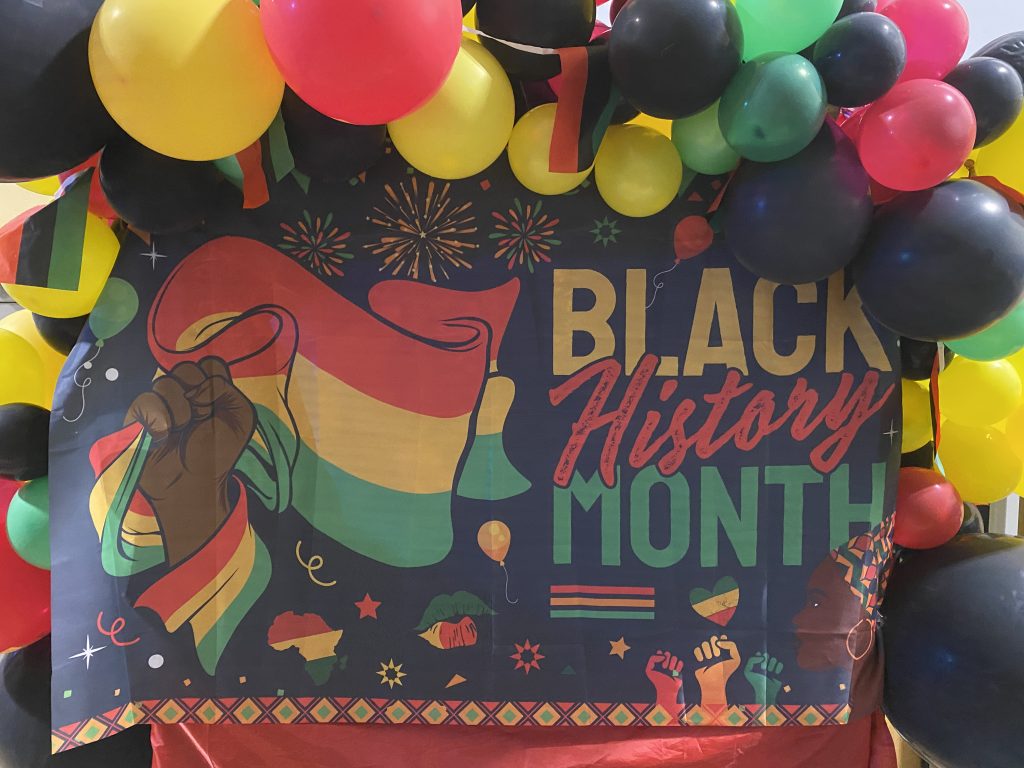
Nous venons de vivre le Black History Month, événement annuel célébré dans tout le pays, mais aussi ailleurs notamment au Canada et au Royaume-Uni. C’est un moment qui permet de reconnaître et de célébrer les contributions des personnes d’origine africaine à l’histoire, à la culture et à la société. Ce mois est aussi l’occasion de sensibiliser aux luttes contre le racisme, les discriminations et les injustices auxquelles les communautés noires ont été confrontées et continuent de faire face.
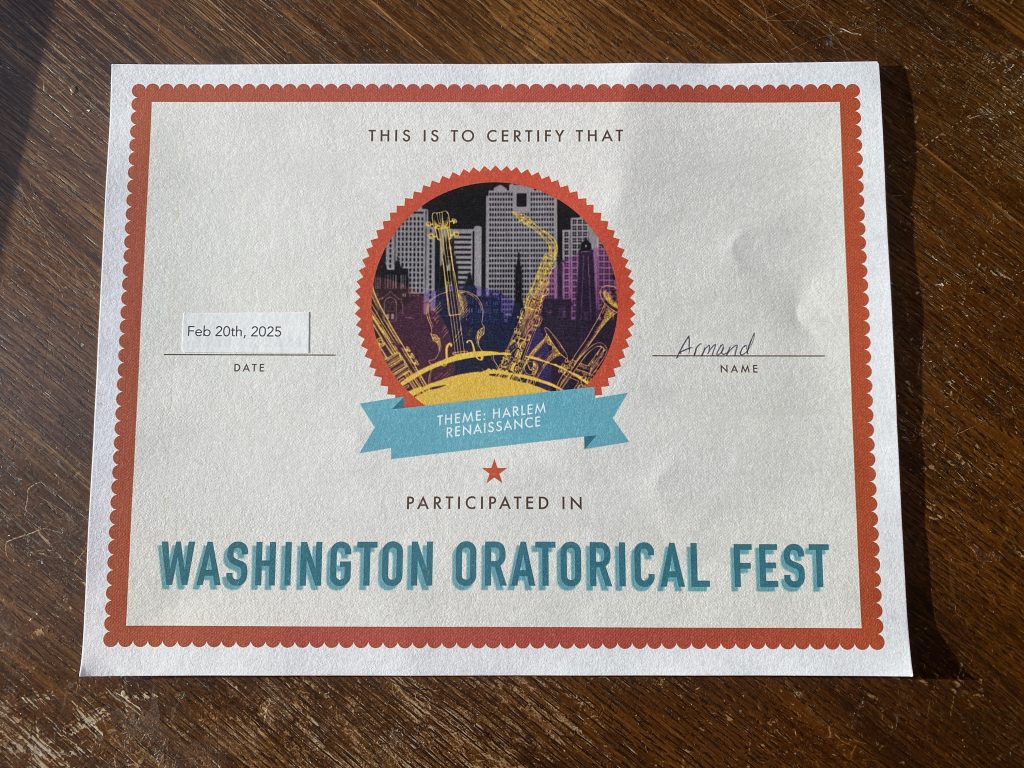
Beaucoup d’événéments se sont produits ce mois-ci à cette occasion et nous avons eu la chance, notamment au travers de l’école d’Armand, de participer à certains d’entre eux et de découvrir notamment des artistes, des poétes à l’origine de la Harlem Renaissance.
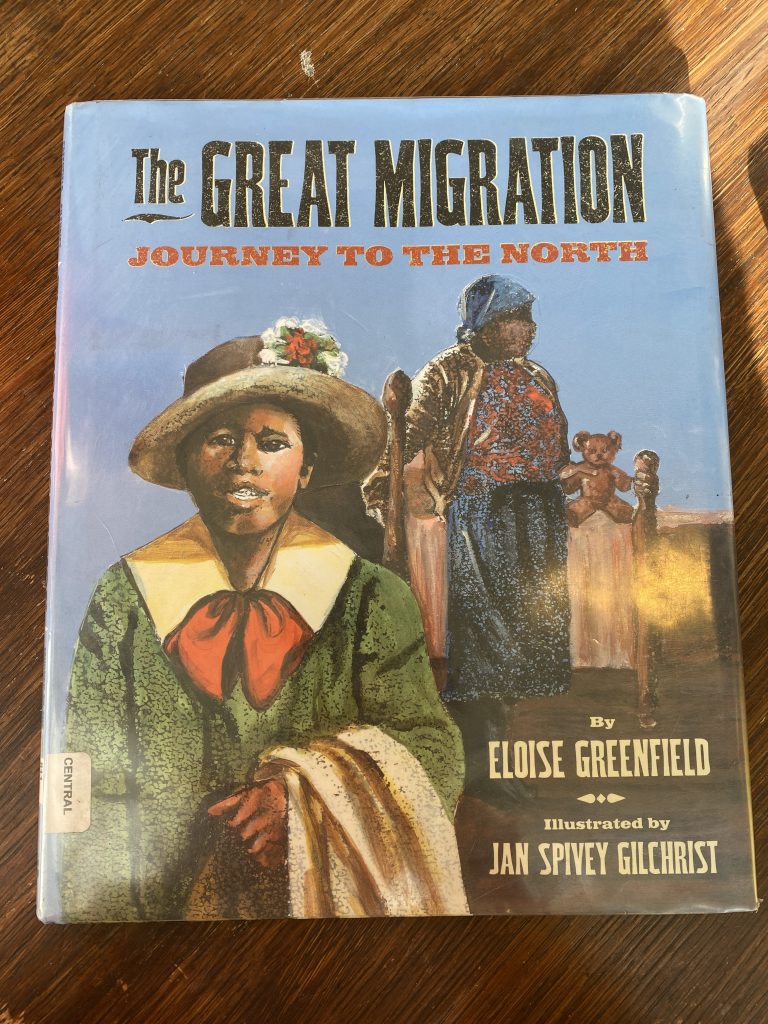
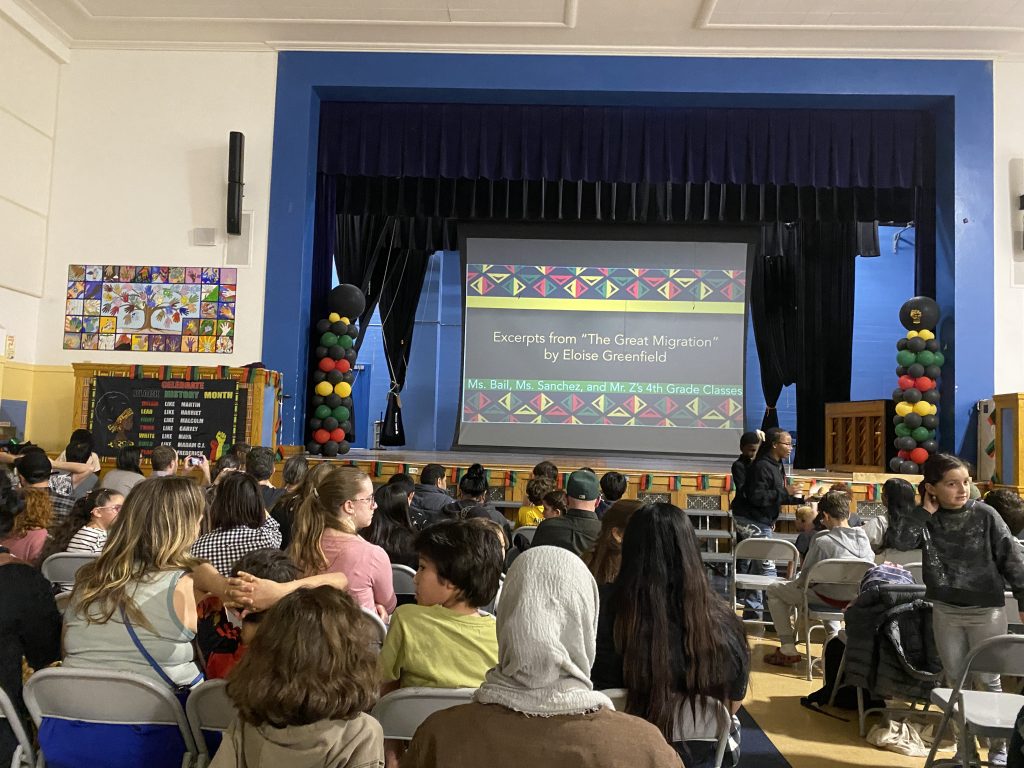
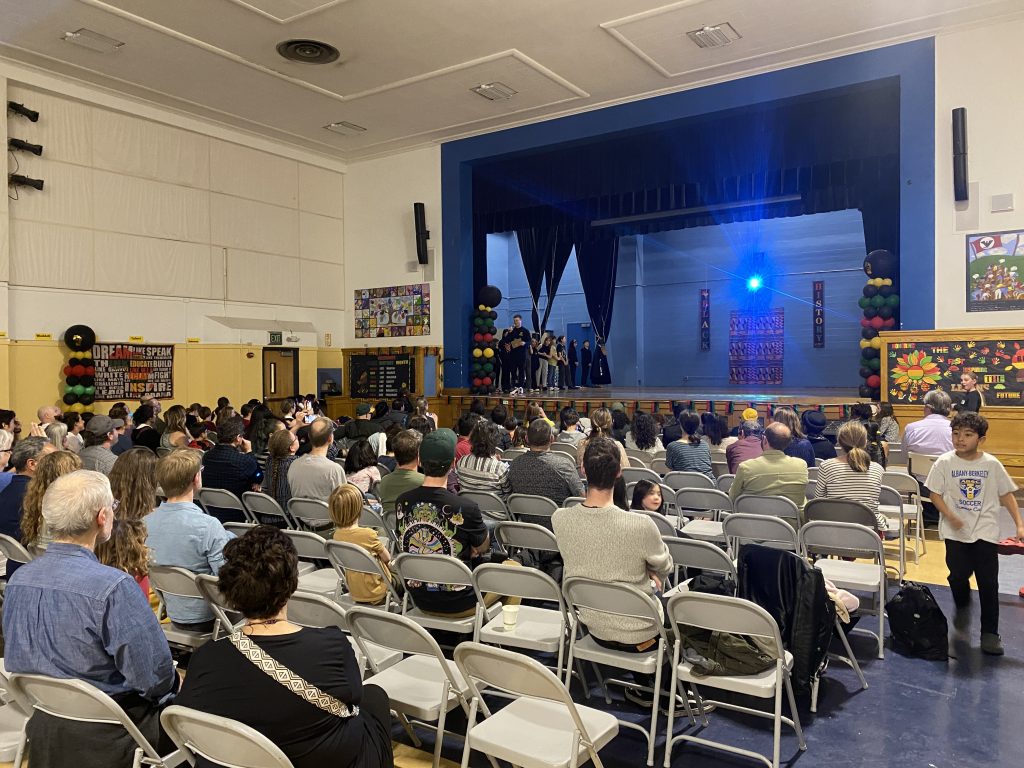
Pas peu fiers d’avoir écouté Armand lors de la black heritage night (soirée organisée par les parents d’élèves) récitant avec ses camarades un texte d’Eloïse Greenfield, auteur jeunesse, racontant ici The great migration. Ce texte fait référence au déplacement massif de millions d’Afro-Américains du Sud vers les grandes villes industrielles du Nord et de l’Ouest des États-Unis, principalement au début du XXe siècle. L’autrice avait trois mois lorsque son père à décider d’emmener la famille vers le Nord pour un avenir meilleur fuyant les violences raciales.
Armand, deuxième rangée au centre est à fond !
They thought about it, talked about it, spread the word. « Did you hear the news? Can it really be true? Well, I’m going to see. How about you? »
2.Goodbyes : saying goodbye to the land puts a pain on my heart. I stand here looking at the green growing all around me, and I am sad. But I keep hearing about this better life waiting for me, hundred of miles away, and I know I have got to go. Hope my old car can make it that far.
I can’t wait to get away. I never want to see this town again. Goodbye, town. goodbye, work all day for almost no pay, enemy cotton fields, trying to break my back, my spirit. Goodbye, crazy signs, telling me where I can go, what I can do. I hear that train, whistling my name. Don’t worry train, I am ready. When you pull into the station, my bags and I will be there.
3. The trip : mostly they travel by train, sit or stand in the railroad stations, crowds of people, waiting, resting their old suitcases, cuddling their babies, holding the hands of the older children, carrying, in bags and shoe boxes, food they’ve packed for the trip. They hear the whistle blow. It blows again, not so far away now. They see the train coming closer and closer, and then it stops. They gather on the platform, hold out their tickets, climb aboard. « All Aboard »the conductor calls. It’s time. They are moving slowly, then faster, some think too fast, some think not fast enough, toward a world they don’t yet know.
4.Question : will I make a good life for my family, for myself ? The wheels are singing, « Yes you will, you will, you will! » I hope they are right, I think they are right, I know they are right. We are going to have a great life. Got to try it. going to do it. Going to make it. No matter what. (…)
5. Up North : in the stations, they greet their husbands, aunts, uncles, cousins, friends who have come to welcome them, show them the way toward their future. (…)
We were one family among the many thousands. Mama and Daddy leaving home, coming to the city, with their hopes and their courage, their dreams and their children, to make a better life.

Nous avons aussi été particulièrement marqué par deux découvertes : les puissants poèmes de Langston Hughes et la voix puissante de la chanteuse Odetta.
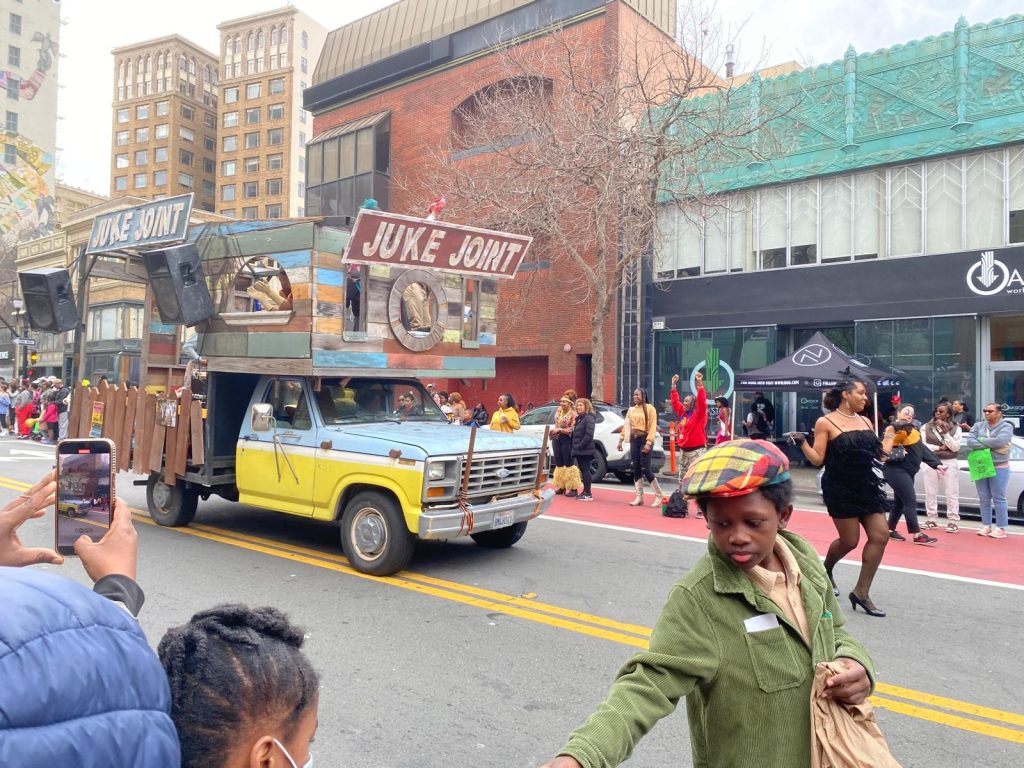
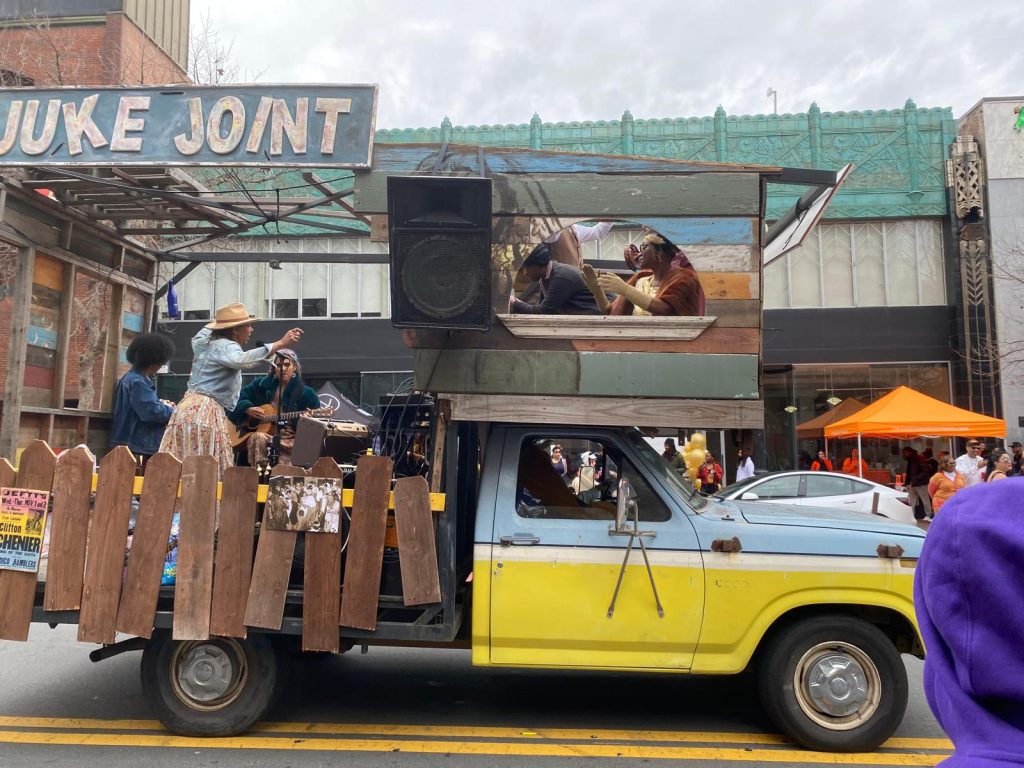
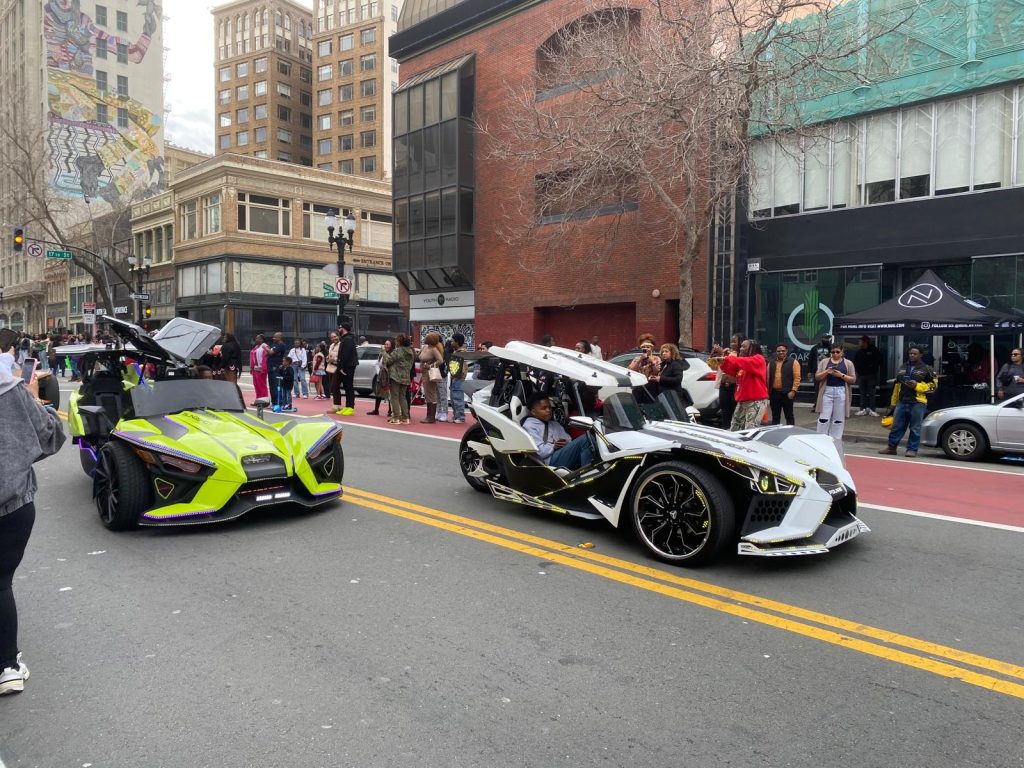
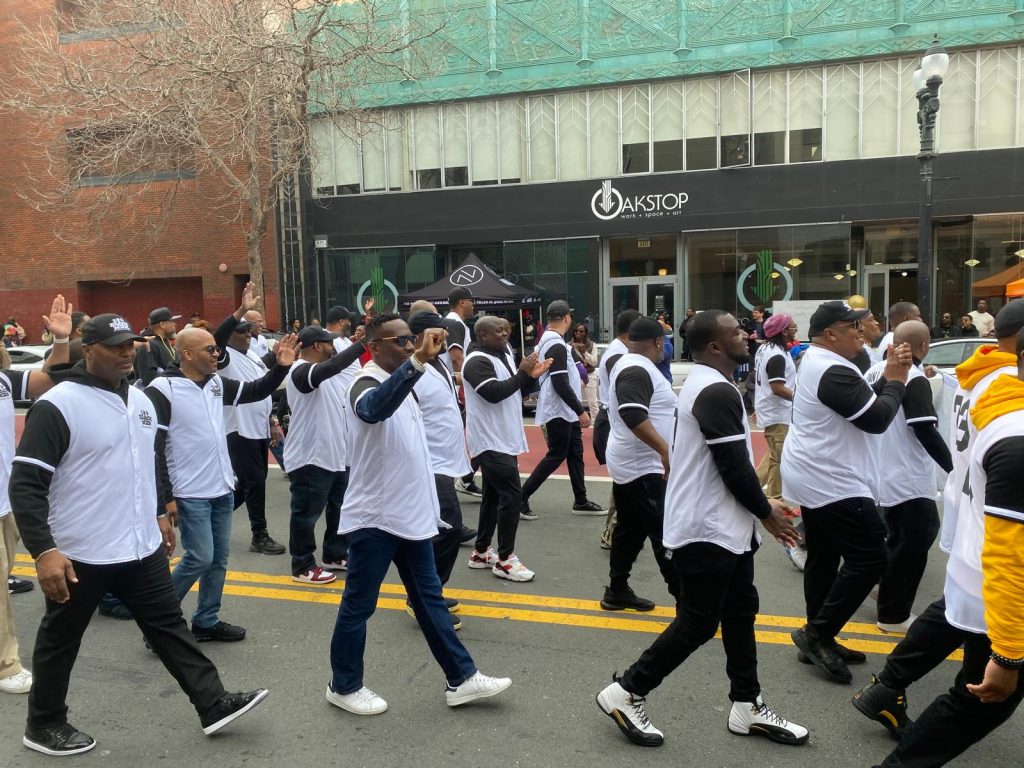
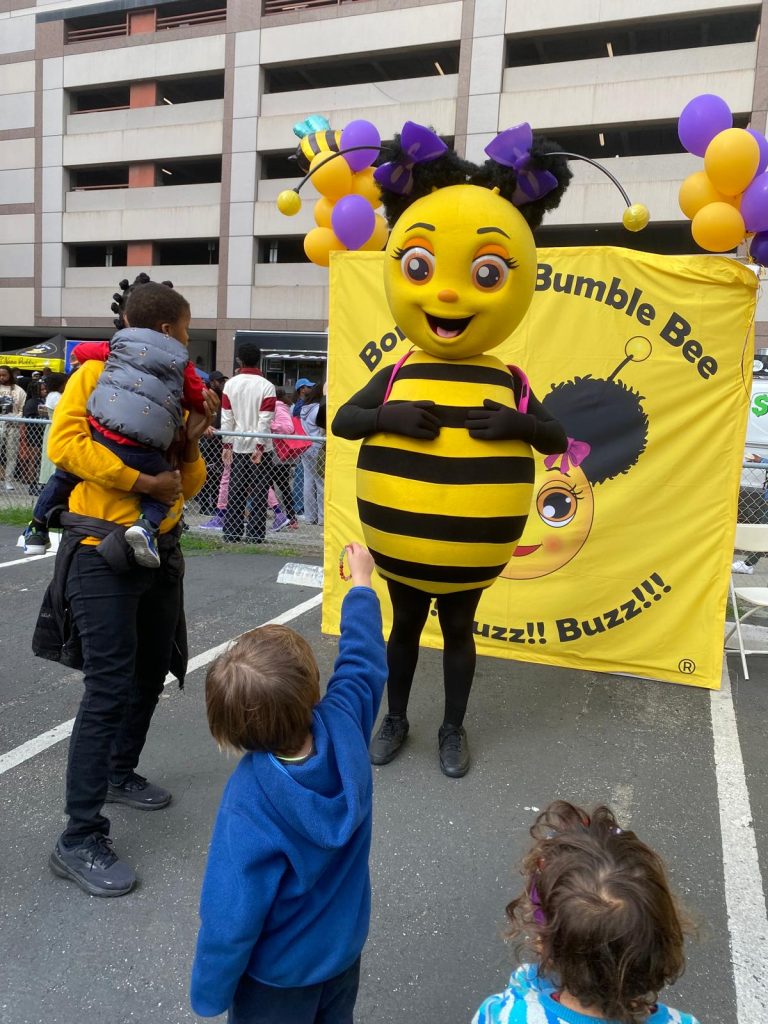
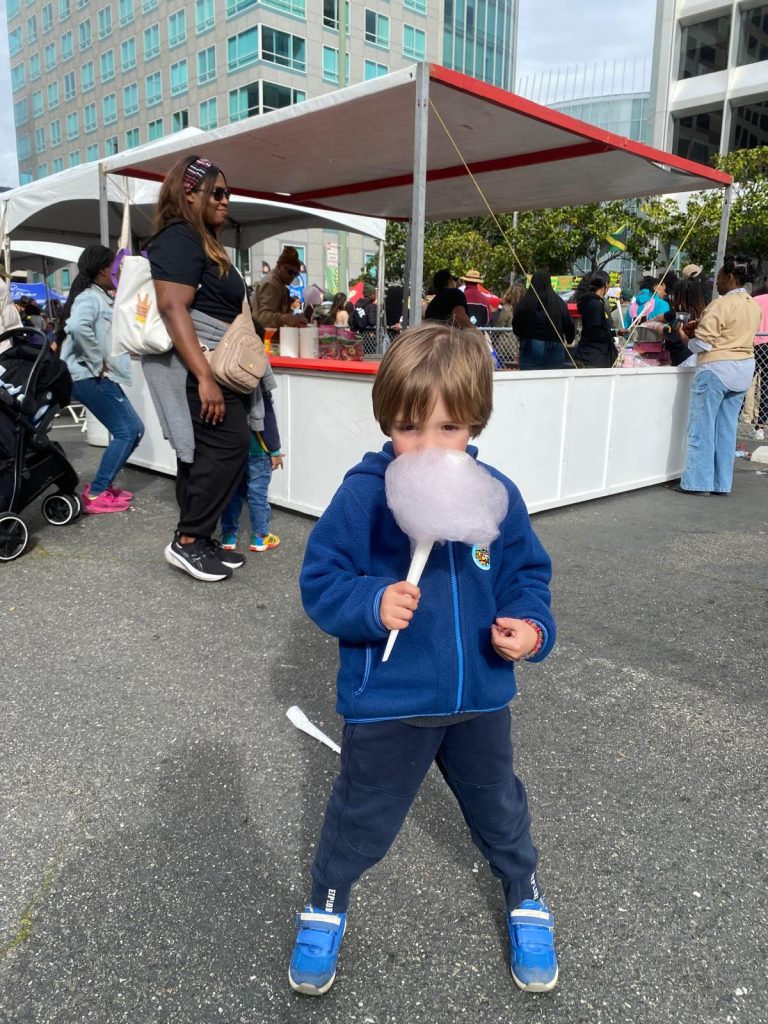
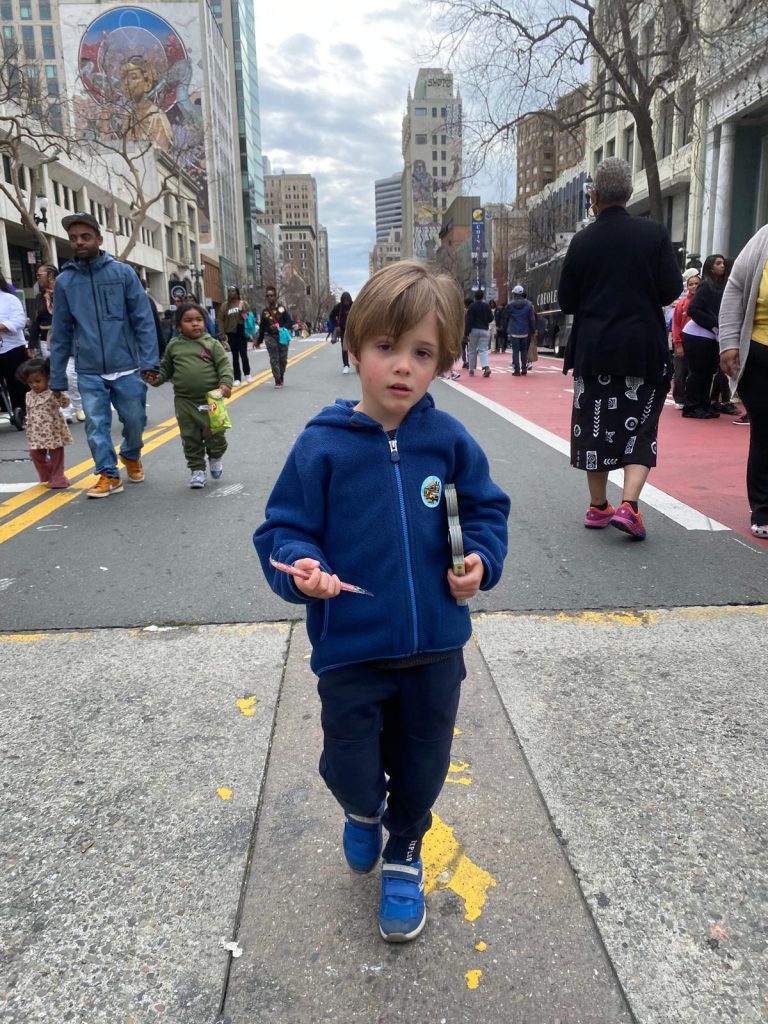
Pascal et Louis ont assisté à la black joy parade à Oakland. Moment festif et joyeux !